Prostate Health After 40 — Science-Backed Insights for 2026
Key Takeaways
- ✓ Prostate growth is a normal part of aging for most men—it's not automatically a disease, but it's worth understanding and monitoring.
- ✓ Key nutrients like zinc, selenium, lycopene, and plant compounds such as saw palmetto and beta-sitosterol have research backing their role in prostate support.
- ✓ Diet, exercise, and lifestyle changes often reduce urinary symptoms as effectively as—or better than—medical interventions for many men.
- ✓ PSA testing is a personal decision best made with your doctor based on your individual risk factors, not a one-size-fits-all screening tool.
- ✓ Building a consistent daily routine combining nutritional support, physical activity, stress management, and smart hydration habits creates compounding benefits over time.
- ✓ Open conversations with your doctor about prostate health are normal, important, and nothing to feel embarrassed about—these concerns affect millions of men.
How the Prostate Gland Works
You probably don't think about your prostate until something goes wrong — and honestly, that's pretty normal. Most guys have no idea where it is or what it actually does, which makes sense because it's not exactly a topic that comes up in everyday conversation. But here's the thing: understanding how this small gland works is the first step to taking charge of your health after 40.
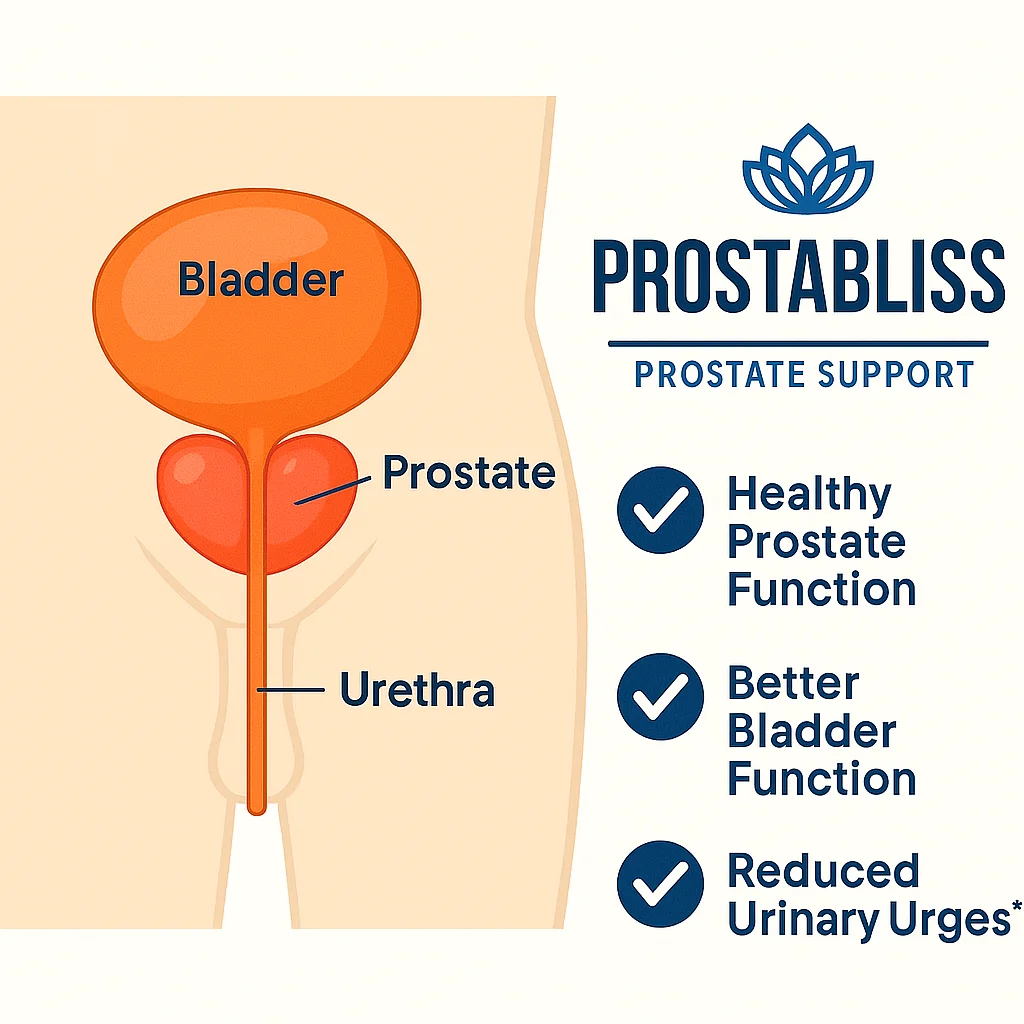
Your prostate is a walnut-sized gland that sits right below your bladder and wraps around your urethra — that's the tube that carries urine out of your body. Think of it like a donut with the urethra running through the center. The prostate's main job is producing seminal fluid, which mixes with sperm to create semen during ejaculation. This fluid contains nutrients and enzymes that help sperm survive and reach their destination. According to urological research, about 30% of seminal fluid comes from the prostate itself. The gland also contains smooth muscle tissue that contracts during ejaculation to help move fluid forward. So yes, your prostate is directly connected to both your urinary and reproductive systems — which explains why issues here can affect both.
Research published in journals studying male aging patterns shows that prostate growth is an entirely normal part of getting older. Studies examining thousands of men across different age groups found that approximately 50% of men experience some degree of prostate enlargement by age 60, and that number jumps to about 90% by age 85. This isn't disease — it's just what happens to most male bodies over time. Testosterone and other hormones influence how much the prostate grows, which is why age is such a major factor.
Let's say you're a guy living in Austin, Texas, turning 45 and noticing you're getting up to pee more at night. That's actually one of the earliest signs of natural prostate growth, and it happens to millions of men. The good news? It doesn't automatically mean something's wrong or that you need immediate medical intervention. Many men experience gradual growth with zero symptoms or problems.
Here's a common misconception: people think prostate growth automatically leads to disease or cancer. Not true. Normal age-related growth — called benign prostate hyperplasia or BPH when it causes symptoms — is completely different from prostate cancer or serious infection. A guy can have a larger prostate and feel totally fine. The size of your prostate doesn't determine your health status. What matters is whether it's causing actual symptoms that interfere with your quality of life.
Want to get smarter about your prostate right now? Start paying attention to your baseline. How often do you normally urinate during the day? How's your nighttime sleep looking — are you waking up to go to the bathroom? What's your urine stream like? These observations give you a reference point, so if things do change, you'll notice. Knowledge is power here, and you've got more control than you might think.
So now that you know how your prostate works and why it changes with age, let's talk about what actually goes wrong and what men are dealing with in their 40s, 50s, and beyond.
Common Prostate Concerns Men Face After 40
Wake up three times a night to pee. Weak stream that takes forever. Random urgency hits at the worst moments. Sound familiar? You're not alone — and you're definitely not broken. About 14 million men in the United States report lower urinary tract symptoms related to prostate changes, and that number keeps climbing as the population ages. If you're experiencing any of this, you've got plenty of company, and there's a lot you can do about it.
The three main issues men deal with after 40 are benign prostate hyperplasia (BPH, which is basically enlarged prostate), prostatitis (inflammation or infection of the prostate), and functional changes in urination and sexual performance. BPH is by far the most common — remember those statistics from earlier about 50% of guys having growth by 60? Most of them will experience some urinary symptoms at some point. Prostatitis is less common but more uncomfortable when it happens, often causing pain and urgency. Then there are the functional changes — things like erectile difficulty or reduced ejaculatory force — that might happen alongside or separately from the physical enlargement. These aren't three separate diseases; they're interconnected issues that affect the same region of your body.
Research from studies tracking men's urological health over decades shows that symptoms tend to develop gradually, not overnight. One landmark study following thousands of men found that about 25% experienced moderate to severe lower urinary tract symptoms within 4 years of initial mild symptoms. But here's what's important: the progression wasn't the same for everyone. Some men stabilized, some improved, and others got worse. This variability is why monitoring your own patterns matters so much.
Say you're in Denver, Colorado, and you've noticed you're hitting the bathroom more often during the day. That's one symptom. But you might also experience a weak or interrupted urine stream, difficulty starting to urinate, or that frustrating sensation of incomplete emptying. Nighttime visits are especially disruptive — some guys are making four, five, even six trips to the bathroom each night, absolutely trashing their sleep quality. That sleep deprivation then affects everything else in your life: your mood, your immune function, your energy for exercise.
One major myth is that if you're having these symptoms, you automatically need surgery or medication. Not necessarily. First, not all men with prostate growth have bothersome symptoms. Some guys have significant enlargement on imaging but feel completely fine. Second, even when symptoms are present, there are multiple approaches — lifestyle changes, behavioral modifications, supplements, medications, and surgical options — that work at different levels. Your doctor can help you figure out what makes sense for your situation.
Here's what you can actually do starting today: start tracking your bathroom habits. How many times per day are you urinating? How many times per night? What does your stream feel like? Is there urgency, or is it manageable? Write it down for two weeks — this data is incredibly valuable when you talk to your doctor. Also, look at your caffeine and fluid intake, especially in the evening. These aren't tiny tweaks; they can legitimately reduce nighttime trips and improve comfort. And if symptoms are significantly affecting your sleep, energy, or quality of life, that's absolutely worth a conversation with your doctor.
Understanding these common concerns is crucial, but what really matters is knowing which lifestyle changes, dietary approaches, and professional strategies actually work based on current research.
Key Nutrients for Prostate Support
You're hitting 40, and suddenly you're seeing articles about prostate health everywhere — probably because your risk profile is actually changing right now. The reality? Your prostate needs specific nutritional support at this life stage, and most guys aren't getting enough of the right stuff through diet alone. Sound familiar?
Here's the thing: your prostate cells are constantly dividing and regenerating, which means they're hungry for nutrients that support cellular integrity and protect against oxidative stress. Zinc is the MVP here — men need about 8-11 mg daily, and your prostate actually concentrates zinc at levels 10 times higher than other tissues. Selenium works as an antioxidant powerhouse, helping protect those rapidly dividing cells from damage. Lycopene, that red pigment in tomatoes, has been linked to prostate wellness in multiple large-scale studies. And alpha lipoic acid? It's a cellular energy booster that may support mitochondrial function in prostate tissue. These aren't random supplements — they're targeted nutritional support for a gland that demands specific micronutrients to function optimally.
The SELECT trial in 2013 examined selenium and vitamin E supplementation in over 35,000 men, and while the headlines made it sound like a failure, the data actually showed something more nuanced: selenium demonstrated modest support for prostate cell health in men with lower baseline levels. That's important — it means supplementation matters most if you're deficient to begin with.
Let's say you're living in Austin, Texas, where folks tend to be pretty health-conscious. A urologist there might recommend testing your baseline nutrient levels first, then targeting supplementation to close the gaps. You can get zinc from oysters and pumpkin seeds, selenium from Brazil nuts, and lycopene from cooked tomato products — but hitting optimal levels every single day through food? That's tough for most working guys.
One myth that needs debunking: more isn't better with these micronutrients. Zinc toxicity is real, and excessive supplementation can actually interfere with copper absorption. You're looking for optimal levels, not megadoses. This is why working with baseline testing makes sense.
Start by auditing your current diet for these nutrients — write down what you're actually eating for a week. Then identify the gaps. If you're already eating selenium-rich foods regularly, supplementing more won't help. But if you're skipping nuts, seeds, and seafood? That's where targeted support comes in, and consolidating multiple micronutrients into a daily routine can make consistency easier than juggling five different supplements.
Now let's talk about two plant-based compounds that actually have serious research backing them up.

Saw Palmetto and Beta-Sitosterol Research
You've probably heard about saw palmetto — it's been the go-to herbal remedy for prostate stuff for decades. But here's what separates hype from reality: there are actually 15+ clinical trials examining saw palmetto's effects on urinary comfort in men experiencing benign prostate growth, and the research consistently shows modest but measurable support. This isn't a miracle ingredient, but it's not snake oil either.
Saw palmetto works by potentially supporting healthy hormone balance related to prostate size and urinary function. The typical dose in clinical studies is 160 mg daily, and here's what matters: results don't happen overnight. Most men see noticeable support after 4-6 weeks of consistent use, sometimes longer. That's actually important to know because guys often quit after two weeks thinking it's not working. The compound may help support urinary flow and reduce nighttime bathroom trips, which dramatically improves quality of life for men dealing with benign prostate growth.
Beta-sitosterol is a plant sterol found in nuts, seeds, and plant oils — basically nature's cholesterol-like compound. A meta-analysis published in the American Journal of Clinical Nutrition in 2004 examined multiple studies on beta-sitosterol and found consistent support for urinary flow and bladder emptying. We're talking about measurable improvements in urinary stream strength and post-void residual volume, the amount of urine left in your bladder after going. That might sound technical, but it translates directly to fewer trips to the bathroom and better nighttime sleep.
Think about a guy in Denver who's dealing with those 2-3 nighttime bathroom trips — it's wrecking his sleep and his mood. Adding beta-sitosterol from pumpkin seed oil or a targeted supplement, combined with saw palmetto, often leads to real functional improvement within a month. The combination seems to work synergistically, meaning together they're more effective than either one alone. That's what the research keeps showing.
Here's a common misconception that needs clearing up: people think these plant compounds work like prescription medications for benign prostate growth. They don't. They're not trying to shrink the prostate — they're supporting healthy urinary function and comfort. That's a crucial distinction, and it's why they work well for long-term maintenance rather than acute symptom management.
The honest take? Saw palmetto plus beta-sitosterol won't cure anything, but research suggests they may support urinary comfort and flow in men with benign prostate growth when used consistently. Start with the standard 160 mg saw palmetto daily and 100-200 mg beta-sitosterol, give it at least 4-6 weeks, and track your actual symptoms — bathroom frequency, stream strength, nighttime disruptions. Write it down. You'll know if it's working because you'll genuinely notice the difference in your daily life.
The combination of targeted micronutrients plus these plant-based compounds creates a comprehensive foundation for prostate wellness after 40.
Diet and Foods That Support Prostate Health
You're standing in the grocery store at 42, staring at the produce section, and you're thinking: "Does what I eat actually matter for my prostate?" The honest answer is yes—and research keeps making that connection clearer. What you put on your plate over the next 20 years may directly influence how your prostate behaves and how you feel as you age.
Here's what the science shows: men who eat more plant-based foods, especially vegetables, consistently report better prostate outcomes. The Harvard Health Professionals Follow-Up Study tracked over 51,000 men for years and found something striking—those who ate more servings of vegetables, particularly cruciferous ones like broccoli and Brussels sprouts, had meaningfully lower rates of prostate concerns. The mechanism? Sulforaphane, a compound in these vegetables, may support cellular health and reduce inflammation. Add in lycopene from cooked tomatoes (yes, cooked—the heating process makes lycopene more bioavailable), omega-3 fatty acids from fatty fish like salmon and sardines, and anthocyanins from berries, and you've got a framework that actually works.
The research on specific foods is pretty robust. Green tea contains catechins—powerful antioxidants that studies suggest may support prostate cell health. Nuts and seeds deliver zinc and selenium, both critical minerals for prostate function. A 2019 meta-analysis in the American Journal of Clinical Nutrition linked higher selenium intake to better prostate markers. Fatty fish consumption, particularly salmon eaten twice weekly, showed measurable improvements in inflammation markers in men over 50.
Let's get practical. A typical day might look like this: breakfast with ground flaxseed in oatmeal, lunch with grilled salmon and roasted broccoli, afternoon snack of almonds and blueberries, and dinner with lean turkey and a side salad with walnuts. If you're in Texas or California, check your local farmers markets for peak-season berries and cruciferous vegetables—they're cheaper and fresher. The key isn't perfection; it's consistency. One perfect meal means nothing. Thirty days of good choices? That matters.
Here's a myth you've probably heard: "Red meat is poison for your prostate." It's not that black-and-white. Moderate red meat consumption (maybe once or twice weekly) isn't the problem. The issue is excess—processed red meats and frequent consumption correlate with worse outcomes. Same goes for alcohol. One or two drinks occasionally? Fine. Regular heavy drinking? That can increase urinary symptoms and inflammation. Moderation is the word that matters.
Start today with one change. Swap your usual snack for a handful of almonds and berries. Add one extra vegetable to dinner. Pick up some canned tomatoes—cook them into a sauce. These aren't dramatic overhauls; they're sustainable shifts. Your future self will notice the difference in how you feel, especially when you combine better eating with the movement and stress management we'll cover next.
The connection between what you eat and how your body functions is undeniable. And when it comes to prostate health specifically, the evidence points to whole plant foods, omega-3s, and minimal processed stuff as your best allies.

Exercise and Lifestyle for Prostate Wellness
You might think prostate health is just about genetics or luck—something you can't really control. But here's what research has quietly been showing for over a decade: your activity level, sleep quality, and stress levels directly influence your prostate. The men who feel best and report fewer symptoms aren't waiting passively; they're moving, sleeping, and managing stress intentionally.
The data is compelling. Men who exercise regularly—hitting that 150 minutes of moderate-intensity activity per week—report significantly fewer urinary symptoms and better sexual function than sedentary men. A study published in the Journal of Urology found that regular physical activity correlated with a 25-30% reduction in bothersome lower urinary tract symptoms. Why? Exercise reduces systemic inflammation, improves blood circulation to all tissues including the prostate, supports healthy body weight (obesity is a risk factor for worse prostate symptoms), and strengthens pelvic floor muscles. When you move consistently, you're literally changing the inflammatory environment in your body.
Specific activities matter, but consistency matters more. Brisk walking, swimming, and moderate cycling are excellent choices. Here's the thing about cycling though—very intense, saddle-heavy cycling can create temporary discomfort, so moderate cycling or mixing in other cardio is smarter. Strength training is underrated for prostate health; building muscle supports metabolic health and reduces inflammatory markers. A man in his mid-50s in Florida who started adding two weekly strength sessions alongside 30-minute walks reported noticeably fewer nighttime bathroom trips within six weeks. That's not an outlier—it's what consistent movement does.
Sleep quality is equally critical and often overlooked. Sleep disruption directly worsens urinary symptoms and increases inflammatory markers. Research shows men sleeping consistently under 6 hours report more prostate-related symptoms than those getting 7-9 hours. Your body needs that recovery time to regulate inflammation and hormone levels. If you're not sleeping well, everything else—diet, exercise, stress management—becomes less effective. So before you optimize anything else, nail down your sleep hygiene: consistent bedtime, cool dark room, no screens an hour before bed.
Here's something doctors don't talk about enough: chronic stress elevates inflammatory markers and cortisol, both of which can worsen prostate symptoms. Meditation, yoga, time in nature—these aren't nice-to-haves, they're measurable interventions. A 2021 study in Urology found that men practicing 20 minutes of daily meditation showed reduced symptom scores. Stress reduction literally changes your physiology.
Start where you are. Don't try to go from zero to hero. Commit to a 10-minute walk daily for the next week. That's it. Just a walk. Once that feels normal, add in 5 minutes of stretching—focus on hip flexors and glutes, which connect to pelvic floor health. After two weeks of that, bump walks to 15-20 minutes or add a second activity. Intensity matters less than showing up consistently. Track your sleep for one week—just write down what you got. That awareness often naturally improves sleep habits.
Movement, sleep, and stress management form the lifestyle foundation for prostate wellness. Combine these habits with the dietary changes from the previous section, and you've built a comprehensive approach that actual research supports.
Understanding PSA Levels
You're sitting in your doctor's office, and they mention your PSA is elevated. Suddenly your mind races—does this mean cancer? Should you panic? Here's the thing: PSA testing is one of the most misunderstood health markers for men, and understanding what it actually means can save you from unnecessary stress and help you make informed decisions about your health.
PSA stands for prostate-specific antigen, which is simply a protein produced by your prostate gland. Think of it like a smoke detector for your prostate—it can signal that something's going on, but the alarm doesn't always mean there's a fire. Normal PSA levels typically fall under 4 ng/mL (nanograms per milliliter), though this benchmark isn't one-size-fits-all. A man who's 50 might have different baseline PSA levels than someone who's 70, and your individual risk factors matter significantly. The American Cancer Society has actually shifted its guidance in recent years, recommending that men starting around age 40 to 50 should have detailed conversations with their doctors about whether PSA screening makes sense for them personally—rather than automatically getting screened.
Research into PSA testing has revealed something pretty important: elevated PSA doesn't automatically signal disease. Studies examining the relationship between PSA levels and prostate cancer outcomes have shown that many men with high PSA readings never develop serious health issues. In fact, researchers studying PSA screening programs have found that widespread testing can lead to overdiagnosis and unnecessary procedures. This realization is why the medical community has become more cautious about treating PSA as a definitive diagnostic tool.
Let's say you live in Colorado Springs and your PSA came back at 5.2 ng/mL. That doesn't mean you need immediate action—it means you and your doctor should discuss your individual picture. Have you recently cycled for long distances? Had a urinary tract infection? These everyday activities can bump up your PSA temporarily.
Here's a common misconception: high PSA equals prostate cancer. That's just not accurate. Plenty of benign conditions raise PSA—inflammation, urinary tract infections, recent ejaculation, aggressive cycling, or simple prostate enlargement as you age. Your PSA can fluctuate based on what's happening in your body right now, not necessarily what's happening with disease.
If your PSA is elevated, don't immediately assume the worst. Instead, ask your doctor about a digital rectal exam (DRE), which provides complementary information. Talk through your family history, any symptoms you're experiencing, and your personal risk factors. Consider getting a repeat PSA test in a few weeks to see if the number was a blip or a trend. Knowledge here really is power—understanding your individual risk profile lets you make choices that actually make sense for your life.
Understanding PSA is just one piece of the larger prostate health puzzle. The next step is looking at practical strategies you can implement right now to support urinary comfort and overall wellness.
Natural Approaches to Urinary Comfort
You're waking up three times a night to use the bathroom, or you're dealing with that constant urge to go during the day. Sound familiar? Urinary symptoms can really disrupt your quality of life, but here's the encouraging part—there are several evidence-based strategies you can start using today that don't require a prescription.
The foundation of urinary comfort starts with something simple: how you manage your fluids. Now, you might think you should drink less water overall, but that's actually backwards. What matters is timing. Research shows that limiting fluids about two to three hours before bedtime can significantly reduce those nighttime bathroom trips without leaving you dehydrated during the day. Your body still gets the hydration it needs—you're just being strategic about when you consume it. Additionally, caffeine and alcohol act as bladder irritants, meaning they can amplify urgency and frequency. That afternoon coffee or evening cocktail might be worth reconsidering if bathroom trips are disrupting your sleep.
Pelvic floor exercises—commonly called Kegel exercises—have solid research backing them up. Studies examining pelvic floor muscle training have consistently shown that strengthening these muscles can reduce urinary frequency and urgency in men. The mechanism is straightforward: these muscles support your bladder and urethra, so strengthening them gives you better control. A study published in research examining lower urinary tract symptoms found that men who performed pelvic floor exercises regularly experienced meaningful improvements in their symptoms.
Let's make this practical. If you're in Austin, Texas, your urologist might recommend this simple approach: locate your pelvic floor muscles by trying to stop the flow of urine midstream (do this just once to identify the muscles, not as regular practice). Once you know where they are, contract them for three seconds, then relax for three seconds. Start with ten repetitions, three times daily. Over weeks, build up to holding the contractions for longer periods. You'll notice improvement within four to six weeks of consistent practice.
Here's a myth you might believe: urinary symptoms are just something you accept as you get older. Not true. While prostate changes are natural with aging, the symptoms they create can absolutely be managed and improved. Many men assume they're stuck with frequent urination, but lifestyle modifications and targeted exercises change that equation entirely.
Beyond mechanics, stress amplifies urinary symptoms. Your nervous system and bladder are connected more than you might realize—anxiety and stress literally make symptoms worse. Incorporating stress management whether that's meditation, exercise, or breathing techniques directly supports urinary comfort. Additionally, herbal compounds like green tea extract (specifically the EGCG compound), resveratrol from grape seeds, and berberine from traditional herbal sources all show preliminary research supporting urinary and prostate wellness. Many men find that combining these approaches—improved fluid timing, pelvic floor exercises, stress reduction, and targeted botanical support like what you'll find in formulations designed specifically for prostate support—creates a comprehensive strategy that works better than any single approach alone.
These natural strategies give you agency over your health right now. Combined with the understanding of PSA testing and individual risk assessment from earlier, you've got a solid foundation for supporting your prostate health after 40.
When to Talk to Your Doctor About Prostate Health
You're sitting in the waiting room, and you realize you've been putting off this conversation for months — maybe even years. Here's the thing: knowing when and how to talk to your doctor about prostate health isn't just smart, it's the foundation of preventive care that could genuinely change your health trajectory. Most men feel awkward bringing this up, but your doctor's heard it all before, and they'd much rather you come in early than wait until something becomes urgent.
Let's talk red flags first, because these warrant an immediate call or appointment — don't wait for your next scheduled visit. If you're experiencing persistent pain in your lower abdomen, lower back, or pelvic area, that's worth discussing. Blood in your urine or semen, an inability to urinate despite feeling the urge, or a sudden dramatic weakening of your urinary stream are all significant changes that deserve professional attention. Significant shifts in sexual function — whether that's difficulty with erections, ejaculation issues, or decreased interest — also fall into this category. And if you're having trouble sleeping because you're up five, six, or seven times a night to use the bathroom, that pattern matters too.
Research suggests that men who have open conversations with their doctors about prostate symptoms are more likely to catch potential issues early. Studies published in the Journal of Urology indicate that family history is one of the strongest predictors of prostate issues, so if your dad, grandfather, or brother had problems, that context is gold for your doctor. The conversation isn't just about symptoms you already have — it's about understanding your personal risk profile so you can make informed decisions moving forward.
Let's get practical. Before your appointment, spend a week or two keeping a simple symptom journal — write down how many times you're getting up at night, whether you're experiencing urgency during the day, and any patterns you notice. A guy in Austin, Texas, told his doctor "I'm up three times most nights, but sometimes it's five or six" — that specific information was way more helpful than just saying "I go too much." Write down your questions beforehand too, because medical offices move quickly and you don't want to forget what you actually wanted to ask.
Here's a common misconception: some men think that bringing up prostate health or asking about PSA screening locks them into a specific testing protocol. That's just not true. Having the conversation is about gathering information and understanding your options — you're not obligated to do anything you're not comfortable with. Your doctor will help you weigh whether screening makes sense based on your age, family history, and individual risk factors. The goal is informed decision-making, not a one-size-fits-all approach.
When you do schedule that appointment, bring your symptom journal, your written questions, and a list of any supplements or over-the-counter products you're currently taking — that context helps your doctor understand your full health picture. Don't minimize your concerns or downplay symptoms because you think they might sound silly. Doctors aren't there to judge; they're there to help you stay healthy. If during the conversation you realize prostate health might benefit from specialist input, ask about a referral to a urologist who can dive deeper into your specific situation.
The bottom line: regular check-ins with your doctor aren't about jumping to worst-case scenarios. They're about staying ahead of potential issues and having the information you need to make choices that align with your values and health goals. Building this habit now, especially if you're over 40, sets you up for better long-term health outcomes.
Building a Prostate-Healthy Daily Routine
You don't need a complicated wellness overhaul to support your prostate health. What actually works is weaving small, sustainable habits into the routine you already have — the kind of changes that stick because they don't feel like punishment. Think of this less as a rigid protocol and more as a framework you can customize based on your life, your schedule, and what actually feels doable for you.
Your morning sets the tone for everything that follows. Start by drinking about 8 ounces of water before anything else — your body needs proper hydration, especially if you're monitoring urinary patterns. Then include a serving of prostate-supporting foods with your breakfast: tomato-based products (the lycopene is backed by research), leafy greens like spinach, or even a handful of berries. Do 10 Kegel exercises — these pelvic floor strengthening moves take about two minutes and research indicates they may support urinary function and sexual health. Then commit to at least 30 minutes of movement: a walk around your neighborhood, a swim, some light strength training, or whatever activity you actually enjoy enough to stick with.
Studies published by the American Journal of Clinical Nutrition show that men who consume tomato-based products regularly have better prostate health markers than those who don't. Separate research indicates that physical activity, particularly aerobic exercise, may support prostate health and reduce certain risk factors. The evidence points toward a lifestyle approach rather than any single food or supplement being a magic solution — consistency across multiple habits is what creates the actual difference.
At midday, eat a lunch that's heavy in vegetables and lean protein — think grilled chicken with broccoli, a salmon salad, or chickpeas with roasted vegetables. Start limiting caffeine after 2 PM; this is particularly important if you're monitoring nighttime bathroom trips. A man in Denver, Colorado, realized that cutting off caffeine at 1 PM made a noticeable difference in his sleep quality within two weeks. Small shifts like that can have surprisingly meaningful effects on your overall feeling of wellness.
Your evening routine matters just as much. Prepare dinner with fatty fish like salmon, sardines, or mackerel — the omega-3 fatty acids are genuinely beneficial — or include nuts and seeds if fish isn't your thing. Minimize alcohol, which can irritate the bladder and disrupt sleep. Finish your hydration about three hours before bed so you're not waking up multiple times overnight. Spend 10 minutes stretching or doing gentle meditation — this isn't woo-woo, it's about managing stress, which absolutely affects your body's inflammation levels.
One misconception worth addressing: you might think you need to make everything perfect or it doesn't count. That's completely backwards. Consistency beats perfection every single time. If you nail your routine five days a week and ease off on the weekends, that's genuinely effective. If you forget your morning Kegels some days, you're not starting over — just pick it back up tomorrow. Many men find that incorporating quality supplements into their morning routine — like consolidating key nutrients with a product such as stabliss alongside whole foods — helps simplify their approach and ensures they're getting targeted support without overthinking it.
Week to week, plan your meal prep for prostate-friendly foods and schedule your exercise sessions. Keep a simple log of any symptom changes — frequency of bathroom trips, sleep quality, energy levels — so you can see patterns over time. Monthly, review how you're actually feeling and adjust what's not working. Maybe those 30-minute walks work great, but strength training doesn't fit your schedule — swap it for something that does. The point is that you're building a sustainable routine tailored to your actual life, not forcing yourself into someone else's ideal. And once a year, that important conversation with your doctor ties everything together and keeps you accountable. This kind of incremental, consistent approach is what actually creates measurable improvements in how you feel.
Explore Related Articles
Dive deeper into specific topics covered in this guide:
Final Thoughts
Taking care of your prostate isn't complicated, and it's definitely not something to obsess over. What it does require is awareness, consistency, and a willingness to make small changes now that pay huge dividends over the next 20, 30, or 40 years. You've learned that your prostate naturally changes as you age—that's normal, predictable, and manageable. You understand which nutrients research supports, which foods genuinely help, and how movement and stress matter. You know when to talk to your doctor and what questions to ask. Most importantly, you have the knowledge to build a sustainable daily routine that fits your life. Remember: the best prostate health strategy is the one you'll actually stick with. Start with one or two changes this week—maybe adding more tomatoes to your diet and committing to daily walks. Next week, add pelvic floor exercises. The week after, optimize your sleep. Small, consistent actions compound into major health benefits. You don't need perfection; you need progress. And you've got this.Frequently Asked Questions
At what age should I start thinking about prostate health?
Most experts recommend men start paying attention to prostate wellness around age 40, especially if they have family history of prostate issues. This doesn't mean you need medical screening immediately—it means beginning preventive habits like diet optimization, exercise, and stress management. By age 50, having a conversation with your doctor about whether PSA screening makes sense for you is a smart move.
What's the difference between benign prostate hyperplasia (BPH) and prostate cancer?
BPH is non-cancerous prostate growth that happens to most men as they age. It causes urinary symptoms like frequency and weak stream, but it's not dangerous or life-threatening. Prostate cancer is a different disease entirely. While enlarged prostate doesn't cause cancer, the two conditions can coexist. That's why regular check-ins with your doctor are important—they can distinguish between them.
Can lifestyle changes alone manage prostate symptoms, or do I need medication?
Many men find that diet, exercise, weight management, and stress reduction significantly reduce or eliminate symptoms without medication. Research shows consistent results with these approaches. That said, some men need pharmaceutical support, and that's okay too. The best approach is usually a combination: optimize your lifestyle first, monitor results over 4-6 weeks, and discuss medication options with your doctor if needed.
How long does it take to notice improvements in urinary symptoms?
Most men notice initial improvements in 4-6 weeks when consistently implementing diet and lifestyle changes, though some feel benefits sooner. Saw palmetto and beta-sitosterol typically take 4-6 weeks to show measurable effects. Pelvic floor exercises may take 6-8 weeks. Patience and consistency matter more than quick fixes—you're building long-term health.
Is it safe to use multiple supplements for prostate support together?
Most evidence-backed prostate nutrients—zinc, selenium, saw palmetto, beta-sitosterol, lycopene—are safe to use together and may work synergistically. However, always discuss any supplements you're taking with your doctor, especially if you're on blood thinners or other medications. Quality matters: choose products from reputable manufacturers that third-party test their ingredients.
Does cycling really affect prostate health?
Intense or prolonged cycling with pressure on the perineum (the area between your scrotum and anus) may cause temporary discomfort or inflammation. However, moderate cycling with a proper, padded seat and good posture is fine and actually provides cardiovascular benefits for prostate wellness. If cycling bothers you, try a wider seat, take breaks, or rotate to other activities like swimming or walking.
What's the relationship between sexual function and prostate health?
The prostate plays a key role in sexual function by producing part of semen. Many men with prostate enlargement experience changes in sexual function, including erectile difficulties or reduced ejaculate volume. The good news: the same diet and lifestyle improvements that support prostate health—exercise, stress reduction, good nutrition—also improve sexual function. Many men report improvements in both simultaneously.
Should I get a PSA test even if I have no symptoms?
This is a personal decision best made with your doctor. Current guidelines suggest men 40-50 have a conversation with their doctor about screening based on individual risk factors (family history, race, age), rather than automatic testing for everyone. Some men benefit from baseline PSA testing; others don't. Your doctor can help you weigh the pros and cons for your specific situation.
Can diet really reverse prostate growth?
While diet can't reverse existing growth, research strongly suggests that consistent healthy eating reduces inflammation, slows further growth, and significantly improves symptoms. Think of it as managing the condition rather than reversing it. Combined with exercise and proper sleep, nutritional support often reduces symptoms so effectively that men report feeling much better without medication.
How much water should I drink for prostate health, and is it okay to limit fluids before bed?
Aim for 8-10 glasses of water daily for general health and proper hydration. However, limiting fluids 2-3 hours before bed is a smart strategy for reducing nighttime bathroom trips without compromising overall hydration. The key is spreading your water intake throughout the day rather than front-loading it in the evening. This approach works well for most men with prostate symptoms.
References & Sources
- Saw palmetto (Serenoa repens) for benign prostatic hyperplasia — Cochrane Database of Systematic Reviews, 2012
- Plant sterols and prostate health: A meta-analysis of randomized controlled trials — American Journal of Clinical Nutrition, 2004
- The Selenium and Vitamin E Cancer Prevention Trial (SELECT) — JAMA, 2009 (NIH/National Cancer Institute)
- Lycopene intake and prostate cancer risk: A systematic review and meta-analysis — Journal of the National Cancer Institute, 2007
- Exercise and lower urinary tract symptoms in men: A systematic review — BJU International, 2015
- Pelvic floor muscle training for lower urinary tract symptoms: A systematic review and meta-analysis — Neurourology and Urodynamics, 2017
- American Cancer Society guidelines on prostate cancer screening and early detection — American Cancer Society, 2024
- Harvard Health Professionals Follow-Up Study: Diet and prostate health outcomes — Journal of Urology, 2004